These are a few of my favorite homebrew items I’ve made so far in my 5e campaign. I like to try and keep the uniqueness of the item and give the player some extra abilities or utility instead of just stat gains. I also usually try to keep these abilities as effects that are already within the 5e core rules, so most of the effects are modelled after already existing abilities or spells.
As a note, if you don’t know where to make stuff like these ‘homebrewery.naturalcrit.com’ lets you make DnD book style homebrew creations.
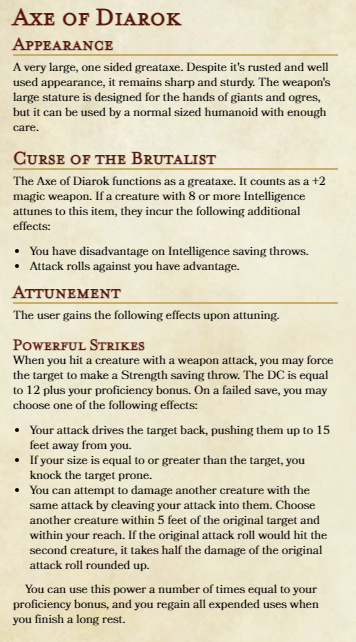
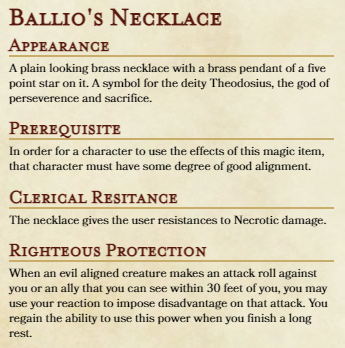
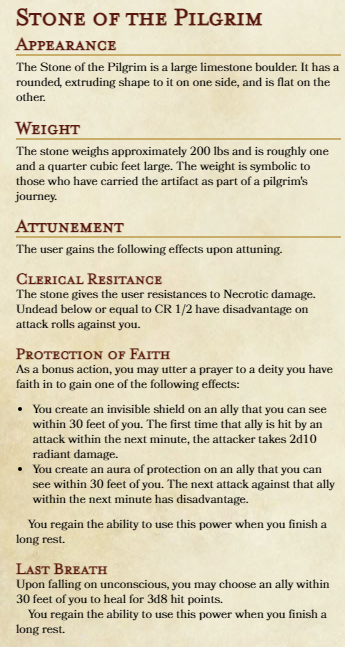
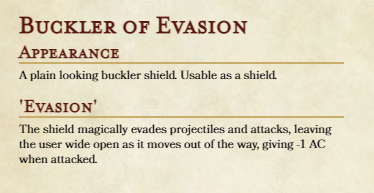
A giant ogre’s treasured battle-axe. It has decent effects already, but is countered by a curse if the user does not have ogre level intelligence.Necklace of a righteous cleric. It has useful effects without attunement but requires a specific alignment and might not be useable by all party members …A giant boulder carried as some sort of ascetic right. Strong effects but requires a huge carry weight in order to lift and use it.And finally, one of my favorites. A gag item, to torture players with!
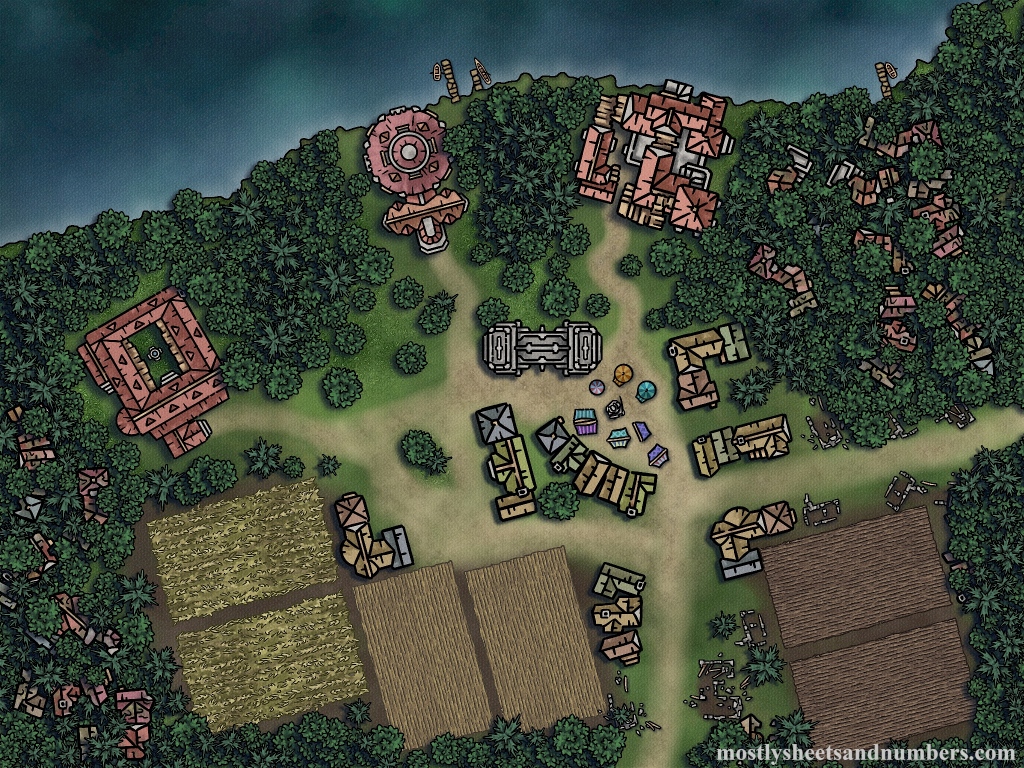
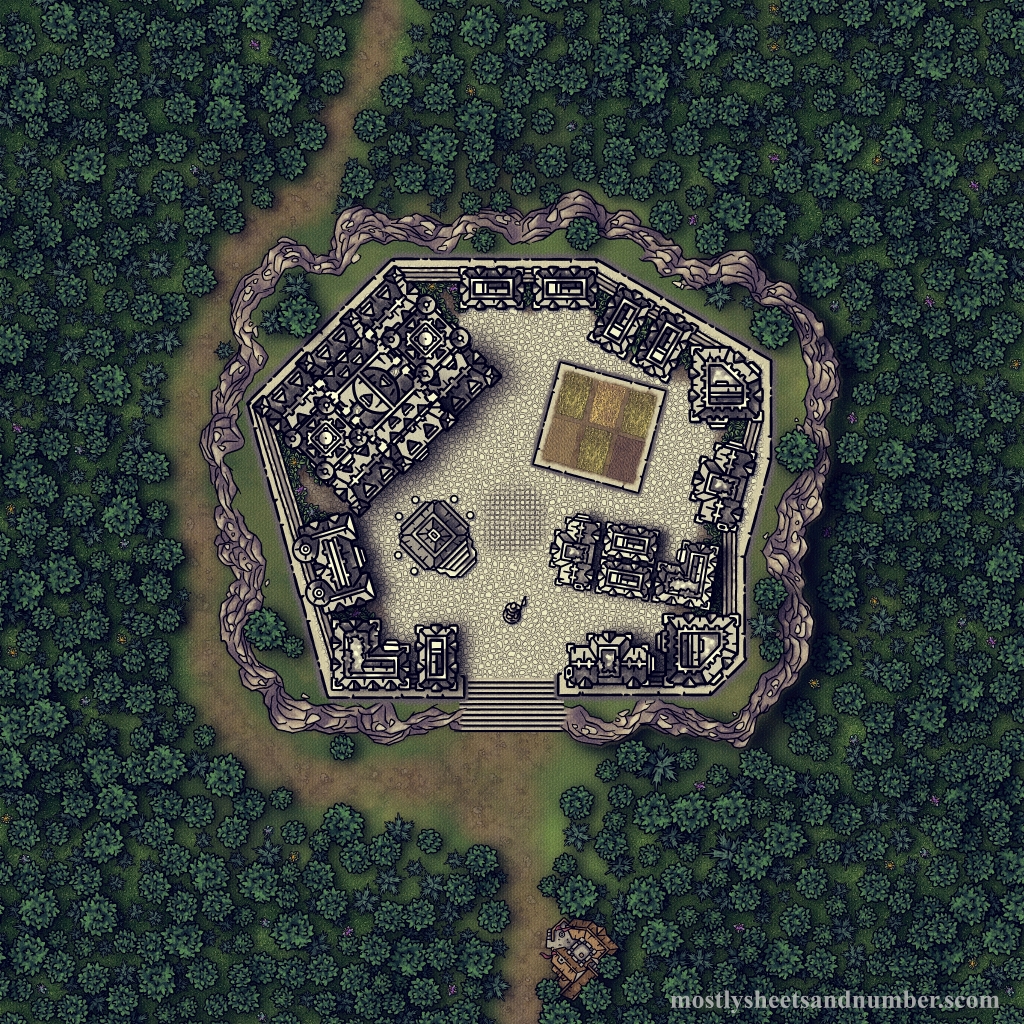
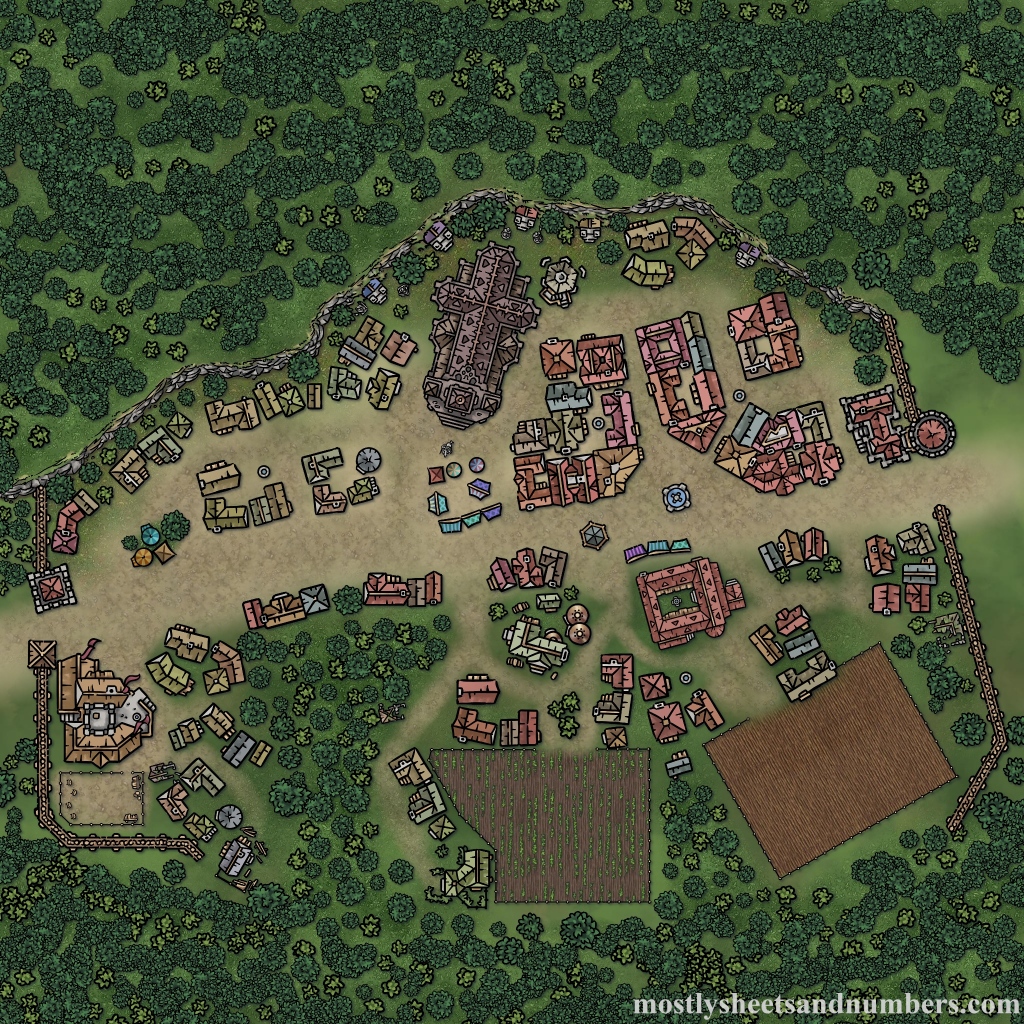
I made some maps for an overhead view of villages in the story. These are originally for somewhat specific story-based locations, but with some imagination hopefully they’ll work for whatever they need to.
A village partially overgrown by forest.A marble fortress on a raised up plateau.A village stuck between a dense forest and a rocky cliffy.
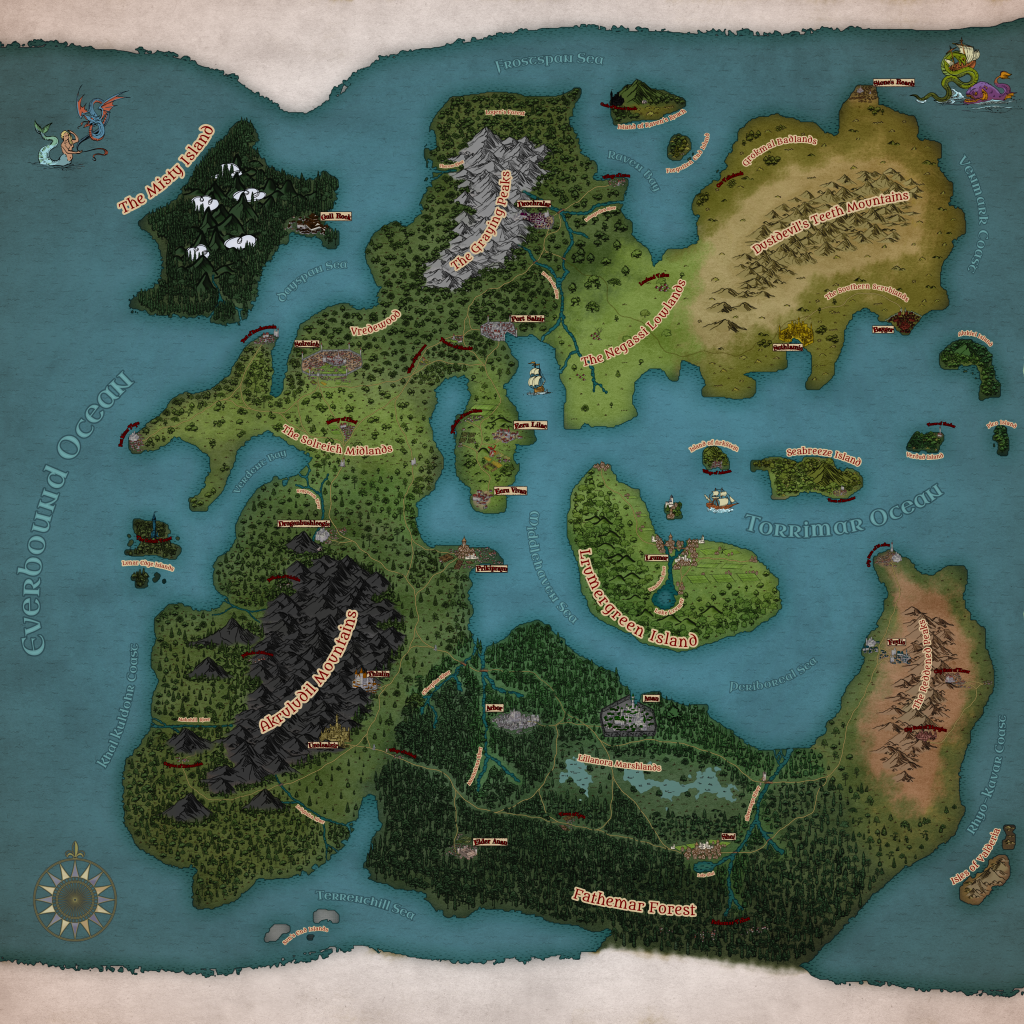
This is just some short observations on creating a fictional continent. I recently starting creating maps and writing history on them for fun. The continent I’ve been writing for is the following:
It’s easiest to start with the outline. For creating the landmass, there’s tons of software available now that can generate a decent looking blob of land. For the above map, I actually used a continent from the video game Dwarf Fortress, which is a video game that uses procedural generation to create an entire world.
Next, we can pretty up the landmasses. Procedural software can often lack nuances that allow for a more natural look, so understanding some geology and geography can go a long way. For example, cut off from the coast by sharp mountains might create a rain shadow, causing a desert in the area, or maybe a landlocked lowland area might have runoff water accumulate, creating a marsh or swamp area.
Temperature regions should affect the map and how it develops. Islands near a warm equator might have good rainfall too, making them tropical locations. Biomes progressively change as they move to colder regions, which can create denser forests, barren tundra, or whatever depending on the map.
It might help at first to not think of the cities or populations when creating the world. Creating the landmass and environment and then placing populations or settlements based on where people might gather can make the world more grounded in reality.
I’ll probably continue on these notes as I feel like it. Or not. Who knows? I do this for fun so I’m not held to any standards.
 Mostly Sheets and Numbers